image

Hormone testing from the comfort of your home


Start Your Journey
  • Results in 3-5 working days.
  • FSA and HSA approved.

How It Works

Discover Your Health.

1

Order Your Kit.

Delivered to your door. Our health kit provides the most biomarkers at the lowest cost on the market.

2

Take The Test.

Convenience meets accuracy. Simple, easy-to-follow instructions make the testing process a breeze.

3

Discover Your Insights.

Receive personalized insights on your biomarkers within a few days. Take action, monitor your progress, and live healthier.

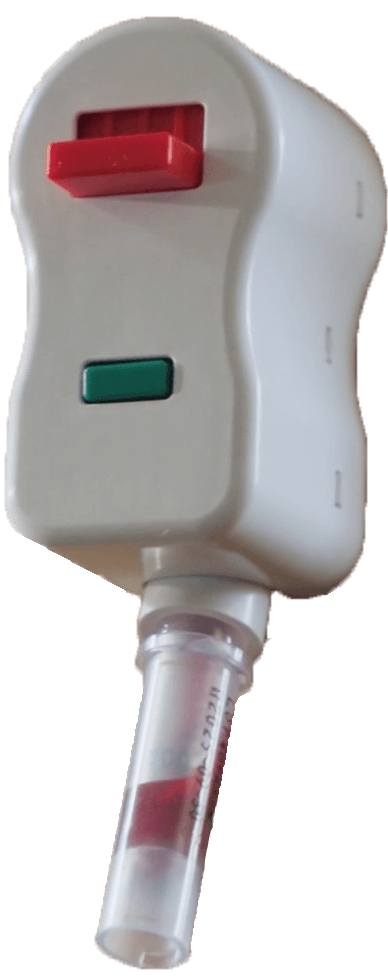
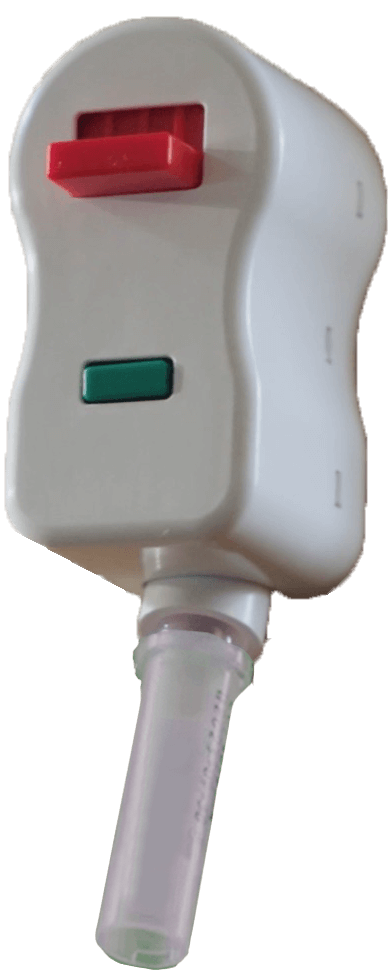
Test comprehensive panels painlessly from home.
Background
EasyDraw FullEasyDraw Empty
Measure up to 50 biomarkers.
Testosterone (Total)Sex hormone
550 ng/dL
Estradiol (Sensitive)Sex hormone
144.6 pg/mL
FSHSex hormone regulator
17 mIU/mL
Testosterone, Free (calc)Bioavailable sex hormone
12.5 pg/mL
Luteinizing Hormone (LH)Sex hormone regulator
8.2 mIU/mL
ProgesteroneFemale reproductive hormone
2.1 ng/mL
Prolactin (PRL)Lactation hormone
12.8 ng/mL
Sex Hormone-Binding Globulin (SHBG)Hormone transport protein
55 nmol/L
LDL Cholesterol"Bad" cholesterol
102 mg/dL
APOB"Bad" cholesterol indicator
126 mg/dL
HDL Cholesterol"Good" cholesterol
60 mg/dL
TriglyceridesCardiometabolic health indicator
65 mg/dL
% Hemoglobin A1CLong-term blood sugar check
5.1%
GlucoseBlood sugar indicator
76 mg/dL
High-Sensitivity CRPInflammation indicator
1.5 mg/L
Lipoprotein (a)Cardiovascular risk indicator
<5.44 mg/dL
25-(OH) Vitamin DBone and immune health vitamin
45.75 ng/mL
Free T3Active thyroid hormone
3.3 pg/mL
Free T4Active thyroid hormone
1.2 ng/dL
TPOAbThyroid autoimmunity indicator
20 IU/mL
TSHMetabolism regulator
1.92 uIU/mL
ApoB:ApoA1 RatioCardiovascular risk indicator
0.88
Triglycerides:HDLInsulin resistance indicator
1.08
eGFRKidney function indicator
105 mL/min/1.73 m2
CreatinineKidney function indicator
0.68 mg/dL
ALTIndicator of liver health
37 U/L
ASTLiver injury indicator
44 U/L
Homocysteine (HCY)Cardiovascular risk indicator
11.06 umol/L
FerritinIron storage indicator
55.3 ng/mL
Morning CortisolStress response indicator
5.5 ug/dL
DHEA-SAdrenal hormone precursor
285 ug/dL
AlbuminLiver function indicator
4.76 g/dL
BilirubinLiver function indicator
0.7 mg/dL
Blood Urea Nitrogen (BUN)Kidney function indicator
17.6 mg/dL
Cystatin CKidney function indicator
1 mg/L
VLDL Cholesterol"Bad" cholesterol carrier
13.06 mg/dL
Total Cholesterol:HDL RatioCardiometabolic health indicator
2.91
Total Cholesterol"Good" + "bad" cholesterol
175 mg/dL
APOA1"Good" cholesterol indicator
142 mg/dL
Seamlessly upload 3rd party tests to track your whole health in 1 dashboard.
Blood Panel - Jan 2024
Quest Diagnostics
Comprehensive Metabolic
LabCorp
Lipid Panel - Dec 2023
Stanford Health Care
Thyroid Function Panel
Mayo Clinic Laboratories
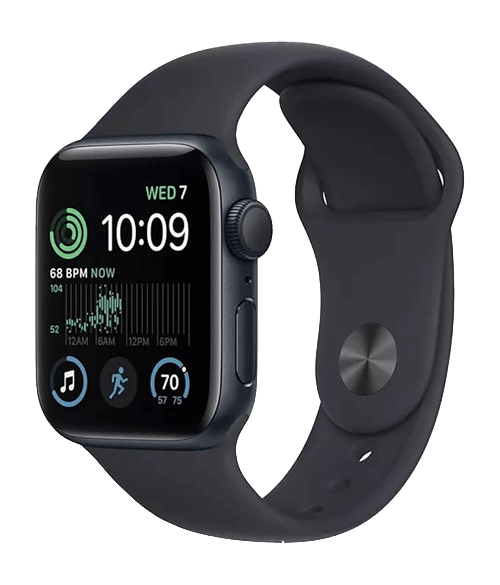
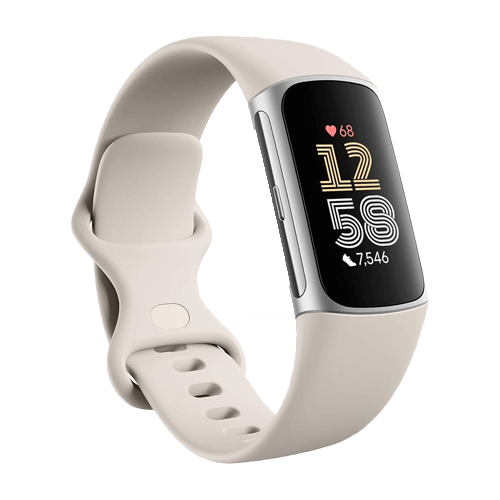
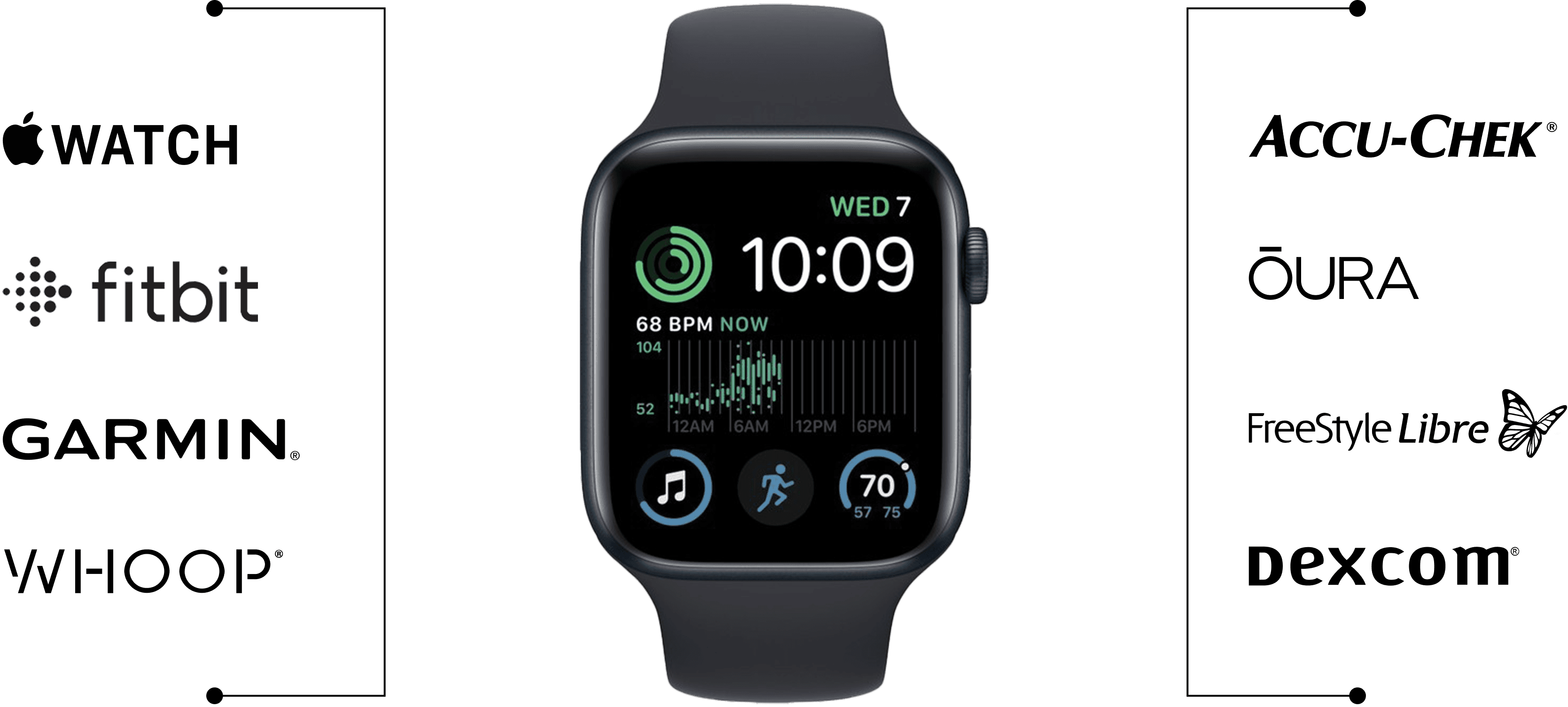
Connect your wearables to track sleep, activity, and glucose.
Freestyle Libre 3<br>(available with membership)
Freestyle Libre 3
(available with membership)
Glucose: 95 mg/dL
Time in Range: 92%
Avg Glucose: 104 mg/dL
Apple Watch
Apple Watch
Sleep: 7.2h
HRV: 45ms
Resting HR: 62 bpm
Oura Ring
Oura Ring
Sleep Score: 87
Readiness: 92
Body Temp: +0.2°C
Fitbit
Fitbit
Active Zone: 142 min
Calories: 2,341
Sleep Score: 78
Whoop
Whoop
Recovery: 67%
Strain: 12.4
Sleep Debt: 1h 23m
Get actionable insights and personalized recommendations.

Use Sauna Sessions

New

Improves metabolic health

Relevant Biomarkers

Morning Cortisol

Spend at least 45 minutes per week in a sauna. Evidence suggests regular sauna use can decrease cortisol levels and promote overall stress relief.

Manage Stress & Sleep

New

Improves metabolic health

Relevant Biomarkers

% Hemoglobin A1C

Incorporate daily stress management like meditation or deep breathing, avoid screens or blue light 2 hours before bed, and aim for 7-8 hours of quality sleep. These strategies help regulate cortisol, which can reduce carb cravings and indirectly support lower HbA1c (% Hemoglobin A1C) levels.

Eat Soluble Fiber

New

Improves heart health

Relevant Biomarkers

LDL Cholesterol
APOB

Increase consumption of soluble fiber—found in oats, barley, nuts, seeds, lentils, and fruits—to help lower LDL cholesterol and APOB by reducing its absorption in the bloodstream. Also consider psyllium husk supplements, a soluble fiber source from plantain seed husks, which may be helpful if dietary intake is low.

Improve Testosterone Levels

New

Improves hormonal health

Relevant Biomarkers

Total Testosterone

Focus on optimizing sleep quality (aim for 7-8 hours of uninterrupted sleep) and managing body weight through balanced nutrition and regular exercise, as both factors significantly influence testosterone production. Even modest improvements in these areas can positively impact your hormone levels.

Schedule Rest Days

New

Improves hormonal health

Relevant Biomarkers

Total Testosterone

Include rest days in your exercise routine to reduce cortisol and support testosterone production. Ensure balanced training and recovery cycles; review progress periodically.

Add Calcium Foods

New

Improves nutritional health

Relevant Biomarkers

Ferritin
Iron Saturation

Incorporate calcium-rich items (yogurt, cheese, milk, sardines) with meals to reduce iron absorption when ferritin is high. If levels persist, consult your provider.

Strength Training for Lower Ferritin

New

Improves nutritional health

Relevant Biomarkers

Ferritin

Engage in 30-minute resistance training sessions 3× weekly to lower ferritin through mobilizing stored iron for muscle development while simultaneously improving cholesterol profiles and overall metabolism.

Add Iron-Rich Foods

New

Improves nutritional health

Relevant Biomarkers

Ferritin

To improve low ferritin levels, increase foods like beans, dried fruits, eggs, lean red meat, salmon, peas, tofu, and dark greens. Combine with vitamin C for better absorption and avoid black tea near meals.

Increase Lycopene Intake

New

Improves inflammation & heart health

Relevant Biomarkers

HDL Cholesterol
High-Sensitivity CRP

Consume lycopene-rich foods (tomatoes, melons, peaches) to enhance HDL-C function and reduce inflammation. Pair with healthy fats like olive oil or avocado to maximize absorption of this fat-soluble nutrient.

Boost Vitamin B2

New

Improves thyroid health

Relevant Biomarkers

T4 (free)

Increase vitamin B2 intake through animal products, fortified foods, or almonds when T4 is low. Consult your healthcare provider if levels remain low despite dietary changes.

Adopt Anti-Inflammatory Diet

New

Improves inflammation

Relevant Biomarkers

hsCRP

Try an anti-inflammatory or elimination diet like FODMAP to reduce inflammation. Monitor progress and consult your provider if your high hsCRP persists to find the root cause.

Caloric Restriction for Liver Health

New

Improves liver health

Relevant Biomarkers

ALT
AST

Caloric restriction (CR), or limiting calorie intake, can be a beneficial strategy for improving liver health. Studies suggest that CR can reduce liver fat, improve liver enzymes, and enhance overall metabolic health. However, long-term adherence to CR can be challenging, and intermittent CR or other dietary approaches may be more sustainable.

Use Sauna Sessions

New

Improves metabolic health

Relevant Biomarkers

Morning Cortisol

Spend at least 45 minutes per week in a sauna. Evidence suggests regular sauna use can decrease cortisol levels and promote overall stress relief.

Manage Stress & Sleep

New

Improves metabolic health

Relevant Biomarkers

% Hemoglobin A1C

Incorporate daily stress management like meditation or deep breathing, avoid screens or blue light 2 hours before bed, and aim for 7-8 hours of quality sleep. These strategies help regulate cortisol, which can reduce carb cravings and indirectly support lower HbA1c (% Hemoglobin A1C) levels.

Eat Soluble Fiber

New

Improves heart health

Relevant Biomarkers

LDL Cholesterol
APOB

Increase consumption of soluble fiber—found in oats, barley, nuts, seeds, lentils, and fruits—to help lower LDL cholesterol and APOB by reducing its absorption in the bloodstream. Also consider psyllium husk supplements, a soluble fiber source from plantain seed husks, which may be helpful if dietary intake is low.

Improve Testosterone Levels

New

Improves hormonal health

Relevant Biomarkers

Total Testosterone

Focus on optimizing sleep quality (aim for 7-8 hours of uninterrupted sleep) and managing body weight through balanced nutrition and regular exercise, as both factors significantly influence testosterone production. Even modest improvements in these areas can positively impact your hormone levels.

Schedule Rest Days

New

Improves hormonal health

Relevant Biomarkers

Total Testosterone

Include rest days in your exercise routine to reduce cortisol and support testosterone production. Ensure balanced training and recovery cycles; review progress periodically.

Add Calcium Foods

New

Improves nutritional health

Relevant Biomarkers

Ferritin
Iron Saturation

Incorporate calcium-rich items (yogurt, cheese, milk, sardines) with meals to reduce iron absorption when ferritin is high. If levels persist, consult your provider.

Strength Training for Lower Ferritin

New

Improves nutritional health

Relevant Biomarkers

Ferritin

Engage in 30-minute resistance training sessions 3× weekly to lower ferritin through mobilizing stored iron for muscle development while simultaneously improving cholesterol profiles and overall metabolism.

Add Iron-Rich Foods

New

Improves nutritional health

Relevant Biomarkers

Ferritin

To improve low ferritin levels, increase foods like beans, dried fruits, eggs, lean red meat, salmon, peas, tofu, and dark greens. Combine with vitamin C for better absorption and avoid black tea near meals.

Increase Lycopene Intake

New

Improves inflammation & heart health

Relevant Biomarkers

HDL Cholesterol
High-Sensitivity CRP

Consume lycopene-rich foods (tomatoes, melons, peaches) to enhance HDL-C function and reduce inflammation. Pair with healthy fats like olive oil or avocado to maximize absorption of this fat-soluble nutrient.

Boost Vitamin B2

New

Improves thyroid health

Relevant Biomarkers

T4 (free)

Increase vitamin B2 intake through animal products, fortified foods, or almonds when T4 is low. Consult your healthcare provider if levels remain low despite dietary changes.

Adopt Anti-Inflammatory Diet

New

Improves inflammation

Relevant Biomarkers

hsCRP

Try an anti-inflammatory or elimination diet like FODMAP to reduce inflammation. Monitor progress and consult your provider if your high hsCRP persists to find the root cause.

Caloric Restriction for Liver Health

New

Improves liver health

Relevant Biomarkers

ALT
AST

Caloric restriction (CR), or limiting calorie intake, can be a beneficial strategy for improving liver health. Studies suggest that CR can reduce liver fat, improve liver enzymes, and enhance overall metabolic health. However, long-term adherence to CR can be challenging, and intermittent CR or other dietary approaches may be more sustainable.

Use Sauna Sessions

New

Improves metabolic health

Relevant Biomarkers

Morning Cortisol

Spend at least 45 minutes per week in a sauna. Evidence suggests regular sauna use can decrease cortisol levels and promote overall stress relief.

Manage Stress & Sleep

New

Improves metabolic health

Relevant Biomarkers

% Hemoglobin A1C

Incorporate daily stress management like meditation or deep breathing, avoid screens or blue light 2 hours before bed, and aim for 7-8 hours of quality sleep. These strategies help regulate cortisol, which can reduce carb cravings and indirectly support lower HbA1c (% Hemoglobin A1C) levels.

Eat Soluble Fiber

New

Improves heart health

Relevant Biomarkers

LDL Cholesterol
APOB

Increase consumption of soluble fiber—found in oats, barley, nuts, seeds, lentils, and fruits—to help lower LDL cholesterol and APOB by reducing its absorption in the bloodstream. Also consider psyllium husk supplements, a soluble fiber source from plantain seed husks, which may be helpful if dietary intake is low.

Improve Testosterone Levels

New

Improves hormonal health

Relevant Biomarkers

Total Testosterone

Focus on optimizing sleep quality (aim for 7-8 hours of uninterrupted sleep) and managing body weight through balanced nutrition and regular exercise, as both factors significantly influence testosterone production. Even modest improvements in these areas can positively impact your hormone levels.

Schedule Rest Days

New

Improves hormonal health

Relevant Biomarkers

Total Testosterone

Include rest days in your exercise routine to reduce cortisol and support testosterone production. Ensure balanced training and recovery cycles; review progress periodically.

Add Calcium Foods

New

Improves nutritional health

Relevant Biomarkers

Ferritin
Iron Saturation

Incorporate calcium-rich items (yogurt, cheese, milk, sardines) with meals to reduce iron absorption when ferritin is high. If levels persist, consult your provider.

Strength Training for Lower Ferritin

New

Improves nutritional health

Relevant Biomarkers

Ferritin

Engage in 30-minute resistance training sessions 3× weekly to lower ferritin through mobilizing stored iron for muscle development while simultaneously improving cholesterol profiles and overall metabolism.

Add Iron-Rich Foods

New

Improves nutritional health

Relevant Biomarkers

Ferritin

To improve low ferritin levels, increase foods like beans, dried fruits, eggs, lean red meat, salmon, peas, tofu, and dark greens. Combine with vitamin C for better absorption and avoid black tea near meals.

Increase Lycopene Intake

New

Improves inflammation & heart health

Relevant Biomarkers

HDL Cholesterol
High-Sensitivity CRP

Consume lycopene-rich foods (tomatoes, melons, peaches) to enhance HDL-C function and reduce inflammation. Pair with healthy fats like olive oil or avocado to maximize absorption of this fat-soluble nutrient.

Boost Vitamin B2

New

Improves thyroid health

Relevant Biomarkers

T4 (free)

Increase vitamin B2 intake through animal products, fortified foods, or almonds when T4 is low. Consult your healthcare provider if levels remain low despite dietary changes.

Adopt Anti-Inflammatory Diet

New

Improves inflammation

Relevant Biomarkers

hsCRP

Try an anti-inflammatory or elimination diet like FODMAP to reduce inflammation. Monitor progress and consult your provider if your high hsCRP persists to find the root cause.

Caloric Restriction for Liver Health

New

Improves liver health

Relevant Biomarkers

ALT
AST

Caloric restriction (CR), or limiting calorie intake, can be a beneficial strategy for improving liver health. Studies suggest that CR can reduce liver fat, improve liver enzymes, and enhance overall metabolic health. However, long-term adherence to CR can be challenging, and intermittent CR or other dietary approaches may be more sustainable.

Use Sauna Sessions

New

Improves metabolic health

Relevant Biomarkers

Morning Cortisol

Spend at least 45 minutes per week in a sauna. Evidence suggests regular sauna use can decrease cortisol levels and promote overall stress relief.

Manage Stress & Sleep

New

Improves metabolic health

Relevant Biomarkers

% Hemoglobin A1C

Incorporate daily stress management like meditation or deep breathing, avoid screens or blue light 2 hours before bed, and aim for 7-8 hours of quality sleep. These strategies help regulate cortisol, which can reduce carb cravings and indirectly support lower HbA1c (% Hemoglobin A1C) levels.

Eat Soluble Fiber

New

Improves heart health

Relevant Biomarkers

LDL Cholesterol
APOB

Increase consumption of soluble fiber—found in oats, barley, nuts, seeds, lentils, and fruits—to help lower LDL cholesterol and APOB by reducing its absorption in the bloodstream. Also consider psyllium husk supplements, a soluble fiber source from plantain seed husks, which may be helpful if dietary intake is low.

Improve Testosterone Levels

New

Improves hormonal health

Relevant Biomarkers

Total Testosterone

Focus on optimizing sleep quality (aim for 7-8 hours of uninterrupted sleep) and managing body weight through balanced nutrition and regular exercise, as both factors significantly influence testosterone production. Even modest improvements in these areas can positively impact your hormone levels.

Schedule Rest Days

New

Improves hormonal health

Relevant Biomarkers

Total Testosterone

Include rest days in your exercise routine to reduce cortisol and support testosterone production. Ensure balanced training and recovery cycles; review progress periodically.

Add Calcium Foods

New

Improves nutritional health

Relevant Biomarkers

Ferritin
Iron Saturation

Incorporate calcium-rich items (yogurt, cheese, milk, sardines) with meals to reduce iron absorption when ferritin is high. If levels persist, consult your provider.

Strength Training for Lower Ferritin

New

Improves nutritional health

Relevant Biomarkers

Ferritin

Engage in 30-minute resistance training sessions 3× weekly to lower ferritin through mobilizing stored iron for muscle development while simultaneously improving cholesterol profiles and overall metabolism.

Add Iron-Rich Foods

New

Improves nutritional health

Relevant Biomarkers

Ferritin

To improve low ferritin levels, increase foods like beans, dried fruits, eggs, lean red meat, salmon, peas, tofu, and dark greens. Combine with vitamin C for better absorption and avoid black tea near meals.

Increase Lycopene Intake

New

Improves inflammation & heart health

Relevant Biomarkers

HDL Cholesterol
High-Sensitivity CRP

Consume lycopene-rich foods (tomatoes, melons, peaches) to enhance HDL-C function and reduce inflammation. Pair with healthy fats like olive oil or avocado to maximize absorption of this fat-soluble nutrient.

Boost Vitamin B2

New

Improves thyroid health

Relevant Biomarkers

T4 (free)

Increase vitamin B2 intake through animal products, fortified foods, or almonds when T4 is low. Consult your healthcare provider if levels remain low despite dietary changes.

Adopt Anti-Inflammatory Diet

New

Improves inflammation

Relevant Biomarkers

hsCRP

Try an anti-inflammatory or elimination diet like FODMAP to reduce inflammation. Monitor progress and consult your provider if your high hsCRP persists to find the root cause.

Caloric Restriction for Liver Health

New

Improves liver health

Relevant Biomarkers

ALT
AST

Caloric restriction (CR), or limiting calorie intake, can be a beneficial strategy for improving liver health. Studies suggest that CR can reduce liver fat, improve liver enzymes, and enhance overall metabolic health. However, long-term adherence to CR can be challenging, and intermittent CR or other dietary approaches may be more sustainable.

Use Sauna Sessions

New

Improves metabolic health

Relevant Biomarkers

Morning Cortisol

Spend at least 45 minutes per week in a sauna. Evidence suggests regular sauna use can decrease cortisol levels and promote overall stress relief.

Manage Stress & Sleep

New

Improves metabolic health

Relevant Biomarkers

% Hemoglobin A1C

Incorporate daily stress management like meditation or deep breathing, avoid screens or blue light 2 hours before bed, and aim for 7-8 hours of quality sleep. These strategies help regulate cortisol, which can reduce carb cravings and indirectly support lower HbA1c (% Hemoglobin A1C) levels.

Eat Soluble Fiber

New

Improves heart health

Relevant Biomarkers

LDL Cholesterol
APOB

Increase consumption of soluble fiber—found in oats, barley, nuts, seeds, lentils, and fruits—to help lower LDL cholesterol and APOB by reducing its absorption in the bloodstream. Also consider psyllium husk supplements, a soluble fiber source from plantain seed husks, which may be helpful if dietary intake is low.

Improve Testosterone Levels

New

Improves hormonal health

Relevant Biomarkers

Total Testosterone

Focus on optimizing sleep quality (aim for 7-8 hours of uninterrupted sleep) and managing body weight through balanced nutrition and regular exercise, as both factors significantly influence testosterone production. Even modest improvements in these areas can positively impact your hormone levels.

Schedule Rest Days

New

Improves hormonal health

Relevant Biomarkers

Total Testosterone

Include rest days in your exercise routine to reduce cortisol and support testosterone production. Ensure balanced training and recovery cycles; review progress periodically.

Add Calcium Foods

New

Improves nutritional health

Relevant Biomarkers

Ferritin
Iron Saturation

Incorporate calcium-rich items (yogurt, cheese, milk, sardines) with meals to reduce iron absorption when ferritin is high. If levels persist, consult your provider.

Strength Training for Lower Ferritin

New

Improves nutritional health

Relevant Biomarkers

Ferritin

Engage in 30-minute resistance training sessions 3× weekly to lower ferritin through mobilizing stored iron for muscle development while simultaneously improving cholesterol profiles and overall metabolism.

Add Iron-Rich Foods

New

Improves nutritional health

Relevant Biomarkers

Ferritin

To improve low ferritin levels, increase foods like beans, dried fruits, eggs, lean red meat, salmon, peas, tofu, and dark greens. Combine with vitamin C for better absorption and avoid black tea near meals.

Increase Lycopene Intake

New

Improves inflammation & heart health

Relevant Biomarkers

HDL Cholesterol
High-Sensitivity CRP

Consume lycopene-rich foods (tomatoes, melons, peaches) to enhance HDL-C function and reduce inflammation. Pair with healthy fats like olive oil or avocado to maximize absorption of this fat-soluble nutrient.

Boost Vitamin B2

New

Improves thyroid health

Relevant Biomarkers

T4 (free)

Increase vitamin B2 intake through animal products, fortified foods, or almonds when T4 is low. Consult your healthcare provider if levels remain low despite dietary changes.

Adopt Anti-Inflammatory Diet

New

Improves inflammation

Relevant Biomarkers

hsCRP

Try an anti-inflammatory or elimination diet like FODMAP to reduce inflammation. Monitor progress and consult your provider if your high hsCRP persists to find the root cause.

Caloric Restriction for Liver Health

New

Improves liver health

Relevant Biomarkers

ALT
AST

Caloric restriction (CR), or limiting calorie intake, can be a beneficial strategy for improving liver health. Studies suggest that CR can reduce liver fat, improve liver enzymes, and enhance overall metabolic health. However, long-term adherence to CR can be challenging, and intermittent CR or other dietary approaches may be more sustainable.

Maximize your healthspan with science-backed supplements.
Lion's Mane
Berberine
NMN
Apigenin
Glycine
L-Citrulline
Beta-Alanine
Beetroot Extract
Grape Seed Extract
Phosphatidylserine
Lion's Mane
Berberine
NMN
Apigenin
Glycine
L-Citrulline
Beta-Alanine
Beetroot Extract
Grape Seed Extract
Phosphatidylserine
Iron
Calcium
Vitamin K2
Selenium
Folate
Vitamin D3
NAD+
Omega-3
Quercetin
Green Tea Extract
Iron
Calcium
Vitamin K2
Selenium
Folate
Vitamin D3
NAD+
Omega-3
Quercetin
Green Tea Extract
L-Theanine
Magnesium
Rhodiola
Ginseng
Biotin
Vitamin B12
Alpha Lipoic Acid
Glucosamine
Chondroitin
Probiotics
L-Theanine
Magnesium
Rhodiola
Ginseng
Biotin
Vitamin B12
Alpha Lipoic Acid
Glucosamine
Chondroitin
Probiotics
Zinc
MSM
Collagen
L-Glutamine
Creatine
BCAA
Vitamin C
L-Arginine
Taurine
Melatonin
Zinc
MSM
Collagen
L-Glutamine
Creatine
BCAA
Vitamin C
L-Arginine
Taurine
Melatonin
GABA
St. John's Wort
Valerian Root
CoQ10
Milk Thistle
Spirulina
Turmeric
Chlorella
Wheatgrass
Maca Root
GABA
St. John's Wort
Valerian Root
CoQ10
Milk Thistle
Spirulina
Turmeric
Chlorella
Wheatgrass
Maca Root
Ginkgo Biloba
Saw Palmetto
Black Cohosh
Evening Primrose
Garlic Extract
Ashwagandha
Echinacea
Vitamin E
Chromium
Resveratrol
Ginkgo Biloba
Saw Palmetto
Black Cohosh
Evening Primrose
Garlic Extract
Ashwagandha
Echinacea
Vitamin E
Chromium
Resveratrol
Inositol
Bromelain
Astaxanthin
PQQ
Psyllium Husk
Boswellia
Bacopa Monnieri
Hawthorn Berry
Manganese
Copper
Inositol
Bromelain
Astaxanthin
PQQ
Psyllium Husk
Boswellia
Bacopa Monnieri
Hawthorn Berry
Manganese
Copper

Includes 55 biomarkers

How often to test

Consistency is key. Unlock actionable insights with consistent, monthly testing for long-term health optimization. See real, tangible improvements by testing regularly. Don't just measure—improve.

Sync your data

Seamlessly sync with your wearable device. Enabling you to effortlessly track and monitor your health and wellness data in real-time, facilitating proactive and informed decision-making for a healthier life.
LIFE-CHANGING RESULTS

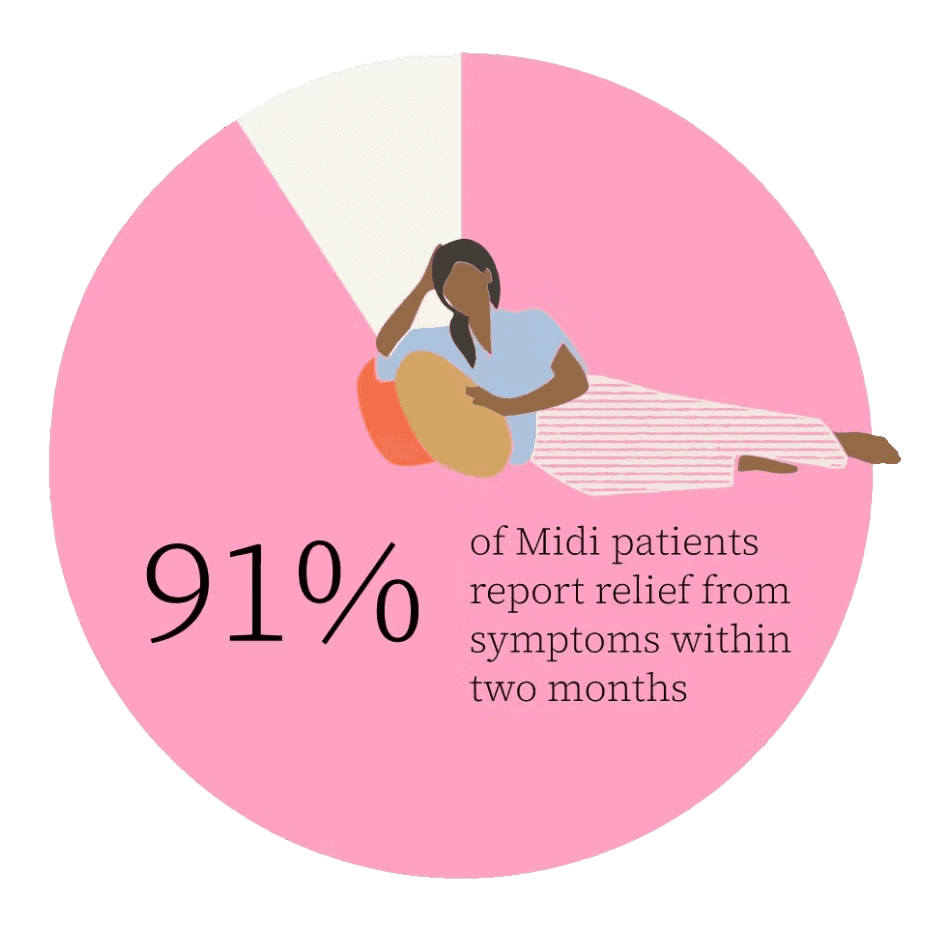
Find Out Why More Than 200,000 Women Trust Midi
Midi results